Nepal's community and village tourism sector has some standout destinations that work well as sellable packages — each with a distinct hook you can market around. Here's a rundown organized by theme, with package angles for each.
Strongest community tourism destinations
Sirubari (Syangja district) — Nepal's original "model village tourism" site, run by a Gurung community cooperative since the 1990s. Strong homestay infrastructure, cultural programs (dance, songs), and a genuine "pioneer of Nepal community tourism" story that markets itself. Good for 2-3 day packages.
Ghandruk (Kaski, Annapurna region) — Gurung village with mountain views (Annapurna South, Machhapuchhre), stone-paved trails, a gurung museum, and easy access from Pokhara. Works as both a standalone weekend package and a shoulder-add to Annapurna trekking itineraries.
Bandipur (Tanahun district) — Restored Newari trading town on a ridge, car-free bazaar, heritage architecture, sunrise viewpoints over the Himalayas. Sells well to travelers who want "old Nepal" aesthetics without a hard trek — good for a broader demographic including older travelers.
Panauti (Kavre district) — Medieval Newari town near Kathmandu, temple architecture, pottery and craft demonstrations, river confluence considered sacred. Ideal for a day-trip or overnight add-on package for Kathmandu-based travelers.
Nuwakot — Old palace town, terraced hills, Gorkha-era history, close to Kathmandu-Trishuli corridor. Good for combining heritage + rafting packages.
Sailung / Ramechhap area — Emerging community homestay destinations with rhododendron forests and lesser-crowded trails — sellable as an "off the beaten path" premium product.
Barpak (Gorkha) — Earthquake-recovery and resilience story, traditional Gurung village, strong for "responsible tourism" or "give-back travel" positioning.
Sindhupalchok / Helambu area (Tamang Heritage Trail) — Tamang culture, monasteries, homestays — markets well for cultural-trek combos.
Package structuring ideas that tend to sell
- "Village Immersion Weekend" (2N/3D) — one village, homestay, cooking class, farm activity, cultural evening. Works for Ghandruk, Sirubari, Bandipur.
- "Heritage Trail" multi-village circuit (4-6 days) — combine 2-3 villages (e.g., Bandipur + Panauti + Nuwakot) for travelers who want variety without trekking fitness demands.
- "Trek + Village" hybrid — pair a moderate trek (Ghandruk/Ghorepani) with homestay nights instead of teahouses, positioned as more authentic than standard teahouse trekking.
- Festival-timed packages — tie departures to local festivals (Gurung Tamu Losar, Newari Jatras, harvest festivals) for a "once-a-year" urgency angle.
- Responsible/give-back tourism packages — emphasize community cooperative ownership, direct income to villagers, women-led homestays. This resonates strongly with the international "sustainable travel" market.
Discover the authentic side of Nepal through village homestays, community tourism, local culture, Himalayan landscapes, agriculture, adventure, and sustainable travel.
When travelers think of Nepal, they often imagine Mount Everest, the Annapurna Himalayas, ancient temples, colorful festivals, and world-famous trekking routes. These iconic attractions have established Nepal as one of the world's most exciting adventure destinations. Yet beyond the famous tourist centers lies another Nepal—a Nepal of peaceful villages, traditional lifestyles, terraced farmland, ancient heritage, welcoming communities, and spectacular mountain landscapes.
This is the Nepal that village tourism can introduce to the world.
Nepal Village Tourism has enormous potential to become one of the country's most important and sustainable tourism sectors. From the hills of the mid-mountains to the foothills of the Himalayas and the cultural landscapes of the Terai, thousands of communities offer authentic experiences that cannot easily be replicated elsewhere.
Village tourism is not simply about visiting a rural destination. It is about meeting local people, experiencing traditions, staying in community homes, eating local food, walking through villages, learning traditional skills, and contributing directly to the local economy.
The opportunity is clear: With strategic investment, better infrastructure, digital marketing, community participation, and responsible tourism planning, Nepal can develop a strong village tourism network that benefits travelers and rural communities alike.
What Is Village Tourism?
Village tourism is a form of responsible and community-based tourism in which visitors travel to rural areas and experience the authentic lifestyle, culture, traditions, nature, and daily activities of local communities.
A village tourism experience may include:
- Staying in a local homestay
- Eating traditional Nepali food
- Walking through traditional villages
- Participating in farming activities
- Learning local handicrafts
- Visiting monasteries and temples
- Experiencing local festivals
- Hiking through forests and terraced farmland
- Birdwatching and nature experiences
- Learning traditional cooking
- Enjoying local music and cultural performances
- Exploring traditional architecture
The objective is to create a meaningful connection between visitors and local communities while ensuring that tourism income remains within the destination.
Why Nepal Has Huge Potential for Village Tourism
Nepal is exceptionally well positioned for village tourism because of its extraordinary geographical diversity, cultural richness, biodiversity, and traditional way of life.
1. Incredible Cultural Diversity
Nepal is home to many ethnic and cultural communities, each with its own language, traditions, food, clothing, festivals, architecture, music, and lifestyle.
Village tourism can provide opportunities to experience communities including:
- Gurung
- Magar
- Tamang
- Sherpa
- Newar
- Thakali
- Rai
- Limbu
- Tharu
- Brahmin and Chhetri communities
- Many other indigenous and local communities
Each village can tell a different story. A traveler visiting a Gurung village in the Annapurna region may experience something completely different from a Tamang village in the Langtang area or a Tharu community in the Terai.
This diversity creates enormous opportunities for specialized village tourism circuits.
2. The Himalayas Beyond Everest
Mount Everest is Nepal's most famous tourism attraction, but Nepal's Himalayan experience is much larger than Everest.
Many villages located away from the busiest trekking routes offer spectacular mountain views and provide travelers with a quieter and more authentic Himalayan experience.
Village tourism can connect travelers with communities and landscapes associated with Everest, Annapurna, Dhaulagiri, Manaslu, Langtang, Ganesh Himal, Kanchenjunga, and Makalu.
Kathmandu → Heritage City → Village Homestay → Village Trek → Himalayan Viewpoint → Local Cultural Experience
This type of itinerary could become a major future tourism product for Nepal.
3. Authentic Homestay Experiences
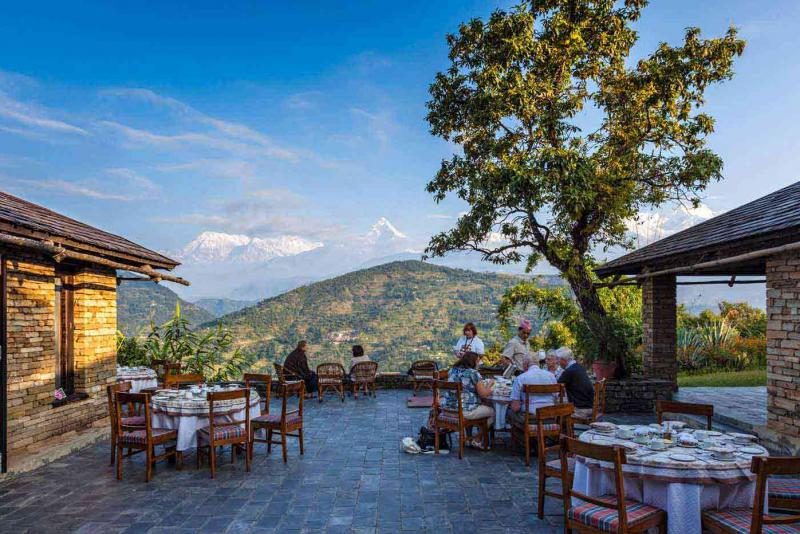
Homestays are one of the strongest foundations of village tourism. Instead of staying only in large hotels, travelers can stay with local families and experience everyday rural life.
- Traditional breakfast and dinner
- Family interaction
- Village walks
- Farming experiences
- Traditional music and storytelling
- Local festivals
- Cooking classes
- Nature walks
The biggest advantage is that tourism revenue can go directly to local households, creating a direct connection between travelers, families, communities, and the local economy.
 Agriculture Tourism: A New Opportunity for Rural Nepal
Agriculture remains an important part of rural Nepal's economy and culture. Travelers increasingly want meaningful experiences rather than simply sightseeing.
Nepal can develop farm-to-table and agricultural tourism experiences around:
Organic Farming
Experience traditional and sustainable farming practices and learn how local communities grow food.
Tea and Coffee
Visit farms and learn about locally produced tea and coffee while meeting farming communities.
Fruit Orchards
Explore seasonal apple, orange, and other fruit-growing communities across Nepal's diverse landscapes.
Traditional Food
Learn how locally grown ingredients are transformed into authentic Nepali dishes.
Beekeeping
Discover traditional beekeeping practices and rural honey production.
Farm Experiences
Participate in seasonal agricultural activities and experience rural life with local families.
Imagine a traveler spending three days in a Nepalese village: staying with a local family, walking through terraced fields, participating in farming, learning to cook traditional dal-bhat, visiting a local farm, and enjoying an evening of community culture.
This is the kind of experience that creates lasting memories.
Adventure Tourism and Village Trekking
Village tourism does not mean tourism without adventure. Nepal can combine village experiences with a wide range of outdoor activities.
- Hiking and trekking
- Mountain biking
- Trail running
- Rock climbing
- Canyoning
- Paragliding
- Camping
- Birdwatching
- Nature photography
- Sunrise and sunset experiences
A new generation of travelers is increasingly interested in slow adventure— traveling at a comfortable pace while connecting with nature and local communities.
Village trekking can become one of Nepal's most attractive tourism products for travelers seeking authentic, responsible, and less crowded adventures.
Spiritual and Wellness Tourism in Nepal's Villages
Nepal is highly suitable for spiritual, meditation, and wellness tourism. Village destinations can offer peaceful environments for travelers seeking reflection, mindfulness, and connection with nature.
- Meditation retreats
- Buddhist monastery visits
- Yoga programs
- Traditional cultural experiences
- Forest walks
- Nature-based wellness
- Spiritual journeys
- Himalayan wellness retreats
Silence. Nature. Simplicity. Connection.
The Economic Possibilities of Nepal Village Tourism
Village tourism can create multiple sources of local income. A single visitor can contribute economically to many different sectors of a rural community.
Homestays
Local families can earn directly from accommodation, food, and hospitality services.
Local Guides
Young people can develop professional careers as local guides and cultural interpreters.
Farmers
Local food production can become part of the tourism supply chain.
Handicrafts
Traditional products can reach new markets through visitors and tourism businesses.
Transportation
Drivers and local transport providers can benefit from increased visitor movement.
Women and Youth
Tourism can create new employment, leadership, and entrepreneurship opportunities.
Tourist Arrival → Homestay → Local Food → Village Guide → Transportation → Cultural Experience → Handicraft Purchase → Community Income
This multiplier effect can make village tourism an important tool for rural economic development.
Empowering Women and Youth Through Village Tourism
One of the greatest opportunities of village tourism is its ability to create employment and entrepreneurship opportunities for women and young people.
Women can participate in:
- Homestay management
- Traditional cooking
- Handicrafts
- Local food production
- Cultural programs
- Tourism cooperatives
- Community hospitality
Young people can develop careers as:
- Local trekking guides
- Digital marketers
- Photographers and videographers
- Tourism entrepreneurs
- Outdoor adventure guides
- Hospitality professionals
This can create alternatives to migration and help young people see meaningful opportunities within their own communities.
Digital Technology: The Future of Village Tourism
One of the biggest challenges facing rural destinations is visibility. A beautiful village may exist, but if travelers cannot discover it online, they may never visit.
Digital technology can completely change this situation.
Every village tourism destination should ideally have:
- Google Maps presence
- Professional photography
- Short-form travel videos
- Social media marketing
- Online booking options
- Homestay listings
- Digital payment options
- Multilingual travel information
- Local guide profiles
- Ready-made travel itineraries
A strong digital village tourism network could connect travelers directly with rural communities and make lesser-known destinations easier to discover, compare, and book.
New Village Tourism Products for Nepal
Tourism companies can help expand the market by developing creative products that combine village experiences with culture, nature, adventure, and community participation.
- Nepal Village Discovery Tour A multi-day journey through traditional villages and rural communities.
- Himalayan Village Homestay Trek A trekking route connecting community-based homestays.
- Village-to-Himalaya Experience A combination of rural culture and spectacular mountain landscapes.
- Farm and Food Tourism Experience farming, cooking, local ingredients, and traditional cuisine.
- Women-Led Village Tourism Community experiences managed and hosted by local women.
- Buddhist Village Cultural Journey Explore monasteries, villages, spirituality, and Himalayan landscapes.
- Weekend Village Escape Short rural getaways from Kathmandu, Pokhara, and other major cities.
- Luxury Village Experience Comfortable accommodation combined with authentic local experiences.
A New Tourism Model for Nepal
The future of Nepal tourism should not depend only on increasing visitor numbers. It should focus on increasing the value of each visitor while spreading tourism benefits across more communities.
Explore
Discover destinations beyond traditional tourist routes and experience the diversity of rural Nepal.
Experience
Participate respectfully in local culture and everyday community life.
Empower
Ensure local people receive meaningful economic benefits from tourism.
Preserve
Protect nature, culture, heritage, and traditional knowledge for future generations.
Explore Villages. Preserve Culture. Empower Lives.
Challenges Facing Village Tourism in Nepal
Despite its enormous potential, village tourism also faces several challenges. These must be addressed through coordinated action by communities, governments, tourism businesses, and development partners.
- Poor road and transportation infrastructure
- Limited quality accommodation
- Lack of trained tourism professionals
- Weak digital marketing
- Limited internet connectivity
- Seasonal tourism demand
- Waste management challenges
- Lack of investment
- Outmigration of young people
- Limited tourism planning
- Inconsistent service standards
These challenges are real, but they also represent opportunities for investment, innovation, entrepreneurship, and collaboration.
How Nepal Can Build a Strong Village Tourism Network
Nepal could develop a national village tourism network connecting selected communities across all seven provinces. Each destination could be developed around its unique cultural, natural, and geographic identity.
Himalayan Villages Mountain culture, monasteries, trekking, and homestays.
Hill Villages Terraced farming, sunrise views, village walks, and traditional architecture.
Heritage Villages Ancient settlements, temples, festivals, and traditional culture.
Agricultural Villages Farms, organic food, tea, coffee, fruits, and rural experiences.
Terai Villages Tharu culture, wildlife, wetlands, and traditional lifestyles.
Spiritual Villages Meditation, monasteries, pilgrimage, and wellness experiences.
Such a network would create a diversified tourism portfolio, distribute tourism benefits more widely, and reduce dependence on a small number of famous destinations.
The Future of Nepal Village Tourism
The future of tourism is changing. Many travelers no longer want to simply visit famous landmarks, take photographs, and leave. They want to travel slowly, meet local people, experience authentic culture, eat local food, spend time in nature, support communities, and travel responsibly.
Nepal is perfectly positioned for this new tourism movement.
The country's greatest tourism asset may not only be its highest mountains. It may also be its villages, people, culture, hospitality, traditions, and stories.
The next great chapter of Nepal tourism could be written not only at Everest Base Camp or in the streets of Kathmandu, but also in the quiet villages where travelers can experience the real soul of Nepal.
Conclusion: The Future Is in the Villages
Nepal Village Tourism has the potential to become a powerful engine for sustainable tourism, rural development, cultural preservation, employment generation, and community empowerment.
With strategic investment in infrastructure, digital connectivity, homestays, local entrepreneurship, professional tourism management, and responsible development, Nepal can transform thousands of rural communities into attractive and sustainable tourism destinations.
The opportunity is enormous.
The mountains may bring travelers to Nepal, but the villages can make them stay longer, experience more deeply, and leave with a stronger connection to the country.
The future of Nepal tourism should not be only about visiting Nepal. It should be about living Nepal.
Explore Villages. Preserve Culture. Empower Lives.
Frequently Asked Questions About Nepal Village Tourism
What is village tourism in Nepal?
Village tourism in Nepal is a form of community-based travel where visitors experience rural lifestyles, local culture, traditional food, homestays, nature, heritage, and outdoor activities while contributing to local communities.
Why is village tourism important for Nepal?
Village tourism can diversify Nepal's tourism industry, create rural employment, support local businesses, preserve cultural heritage, empower women and youth, and distribute tourism income beyond major tourist centers.
What can travelers experience in a Nepalese village?
Travelers can experience homestays, traditional food, village walks, farming, cultural festivals, local handicrafts, monasteries, temples, hiking, birdwatching, mountain views, cooking classes, and community-based activities.
What is the future of village tourism in Nepal?
The future is highly promising through community homestays, village trekking, agricultural tourism, cultural tourism, wellness travel, digital marketing, and sustainable tourism development.
Discover the Nepal Beyond the Ordinary
Explore authentic villages, experience local culture, walk through beautiful landscapes, meet welcoming communities, and discover a different side of Nepal.
 Actual Adventure Pvt. Ltd.
 Actual Adventure Pvt. Ltd.